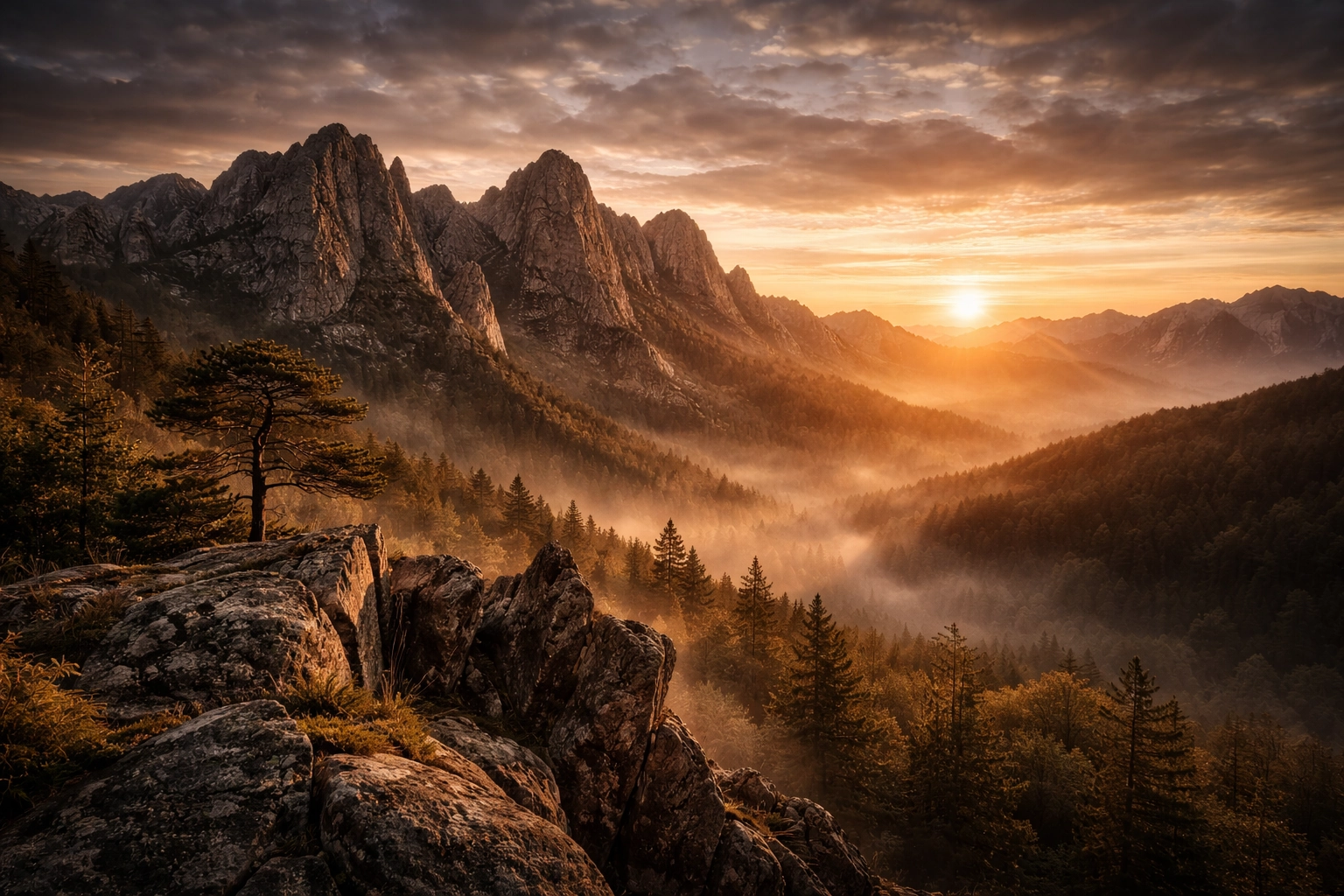
Where Is the Schauenberg Located?
The Schauenberg Massif is situated within the municipality of Gueberschwihr, in Haut-Rhin, eastern France. Positioned on the eastern flank of the Vosges Mountains, it forms part of the geological transition between the Vosgian sandstone formations and the Rhine Graben.
From its elevated vantage point, the massif offers a panoramic view across the Alsatian plain. This dominant topographical position reinforces its visibility within the regional landscape and contributes to its enduring geographical identity.
Geological Structure and Mineral Composition
The Schauenberg Massif reflects the broader geological dynamics of the Vosges region. Stratified sandstone formations, mineral inclusions, and visible sedimentary layering illustrate successive geological transformations shaped by tectonic forces associated with the Rhine rift system.
These stratified structures demonstrate erosion patterns, pressure-induced consolidation, and long-term surface exposure. The visible mineral density and rock texture contribute to the massif’s distinct physical presence.
Quartz-bearing inclusions and consolidated sedimentary layers highlight the region’s mineral diversity, linking the site to the broader geological architecture of eastern France.
History of the Former Quarry
The Schauenberg site historically hosted limited extraction activity. The former quarry area reveals exposed rock faces, fractured strata, and visible mineral structures that document past geological utilization.
Today, the former quarry remains integrated within a natural environment. Vegetation has gradually reclaimed portions of the site, while rock outcrops and stratified layers remain accessible for observation. The presence of visible mineral formations continues to attract interest from hikers, geology enthusiasts, and visitors exploring the Alsace wine region.
Visiting the Schauenberg Massif
Located in Gueberschwihr, Haut-Rhin, Alsace, the Schauenberg Massif is accessible by footpaths that connect the vineyard slopes to wooded elevations. Visitors seek the site for its panoramic views, open landscape, and geological visibility.
The presence of the former quarry adds historical context to the natural environment. Stratified rock layers and mineral textures remain visible, offering insight into the geological past of the region.
The massif today functions as a regional point of interest combining natural relief, landscape observation, and mineral heritage.
Schauenberg and Contemporary Sculpture
The Schauenberg landscape maintains a dialogue with contemporary mineral art. Its geological density, stratified structure, and visible mineral composition influence sculptural exploration rooted in material authenticity.
Certain works developed by Schauenberg Monolith may integrate mineral fragments collected under prior municipal authorization within a limited and respectful framework. This territorial anchoring reinforces the connection between geological origin and contemporary quartzite sculpture.
Explore the artistic dimension through Quartzite Sculpture and the broader Sculpture Collection.