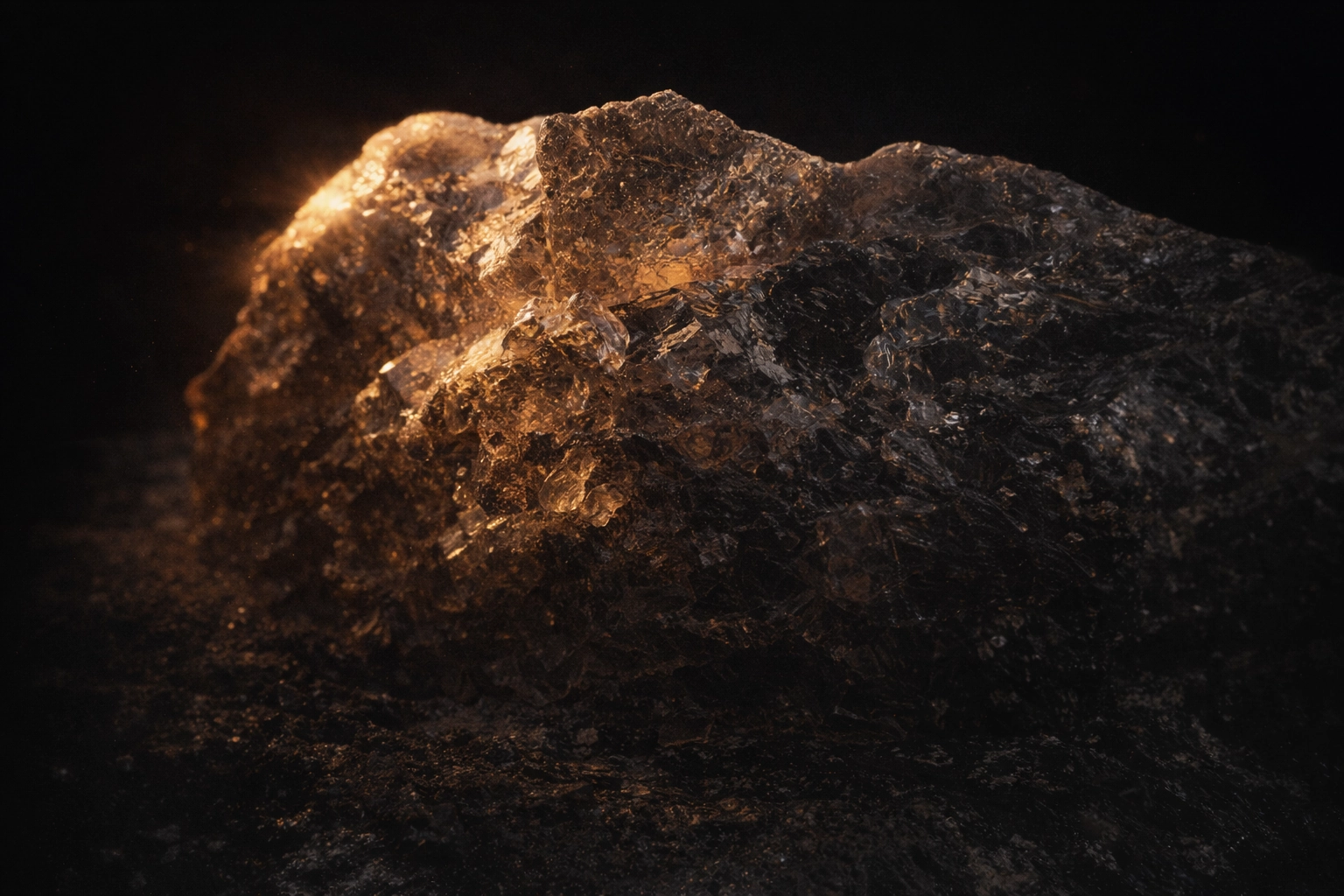
Quartzite is a metamorphic mineral valued for its density, crystalline structure, and structural stability. These characteristics make it particularly suited for sculptural exploration. Schauenberg Monolith sculptures are built from natural quartzite aggregates of varied grain sizes, forming a mineral composition that preserves geological authenticity.
Rather than masking the material beneath artificial coatings, the sculptural process emphasizes surface revelation. Polishing exposes crystalline grain, tonal variation, and mineral fractures — allowing light to interact with the quartzite body in a natural, tactile way.
Through controlled compression, quartzite aggregates are unified into a dense monolithic structure. This transformation produces a sculptural body that retains mineral identity while achieving geometric stability. The resulting form expresses physical weight and permanence without sacrificing natural texture.
Each sculpture reveals subtle geological variation. Surface grain patterns, tonal shifts, and crystalline inclusions form unique visual signatures that cannot be replicated mechanically.
Quartzite responds dynamically to light. Polished areas reflect crystalline depth while matte regions emphasize mineral grain. This interplay enhances the sculptural presence of the pyramid form, reinforcing its relationship between geometry and natural material behavior.
The surface is never uniform — it remains an active geological record shaped into contemporary sculpture.
The intention behind each piece is to preserve mineral truth. Quartzite remains visible, tactile, and structurally present. This authenticity anchors the sculpture in geological reality while allowing it to function as a contemporary art object.
Collectors engage with mineral material directly — not imitation, but compressed geological structure shaped into sculptural clarity.