Contemporary
Quartzite Monolith
Sculptures
Handcrafted mineral pyramids exploring geological density and sculptural form. Each monolith is shaped through compression and surface refinement, revealing quartzite structure as a contemporary artistic presence.
Explore CollectionMineral Sculpture as Contemporary Art
Schauenberg Monolith creates sculptural pyramids from natural quartzite aggregates compressed into dense mineral structures. Each sculpture transforms geological material into a contemporary art object emphasizing weight, structure, and surface authenticity. Rather than decorative imitation, the work preserves the mineral character of quartzite, allowing crystalline textures to remain visible and tactile.
The sculptures exist at the intersection of geology and form. Compression and curing unify mineral layers into a monolithic body, producing objects that express permanence, density, and material presence. Each pyramid reveals subtle variations in grain, fracture, and crystalline reflection — no two surfaces are identical.
Quartzite Material and Surface Expression
Quartzite offers structural stability and visual depth ideal for sculptural exploration. Natural aggregates are layered and compressed to create a dense body that retains geological identity while achieving sculptural clarity. Polishing exposes crystalline grain and tonal shifts, allowing light to interact dynamically with the mineral surface.
The resulting sculpture maintains tactile authenticity — a contemporary artifact shaped from mineral truth rather than surface illusion. This dialogue between compression, geology, and geometry defines the identity of each monolith.
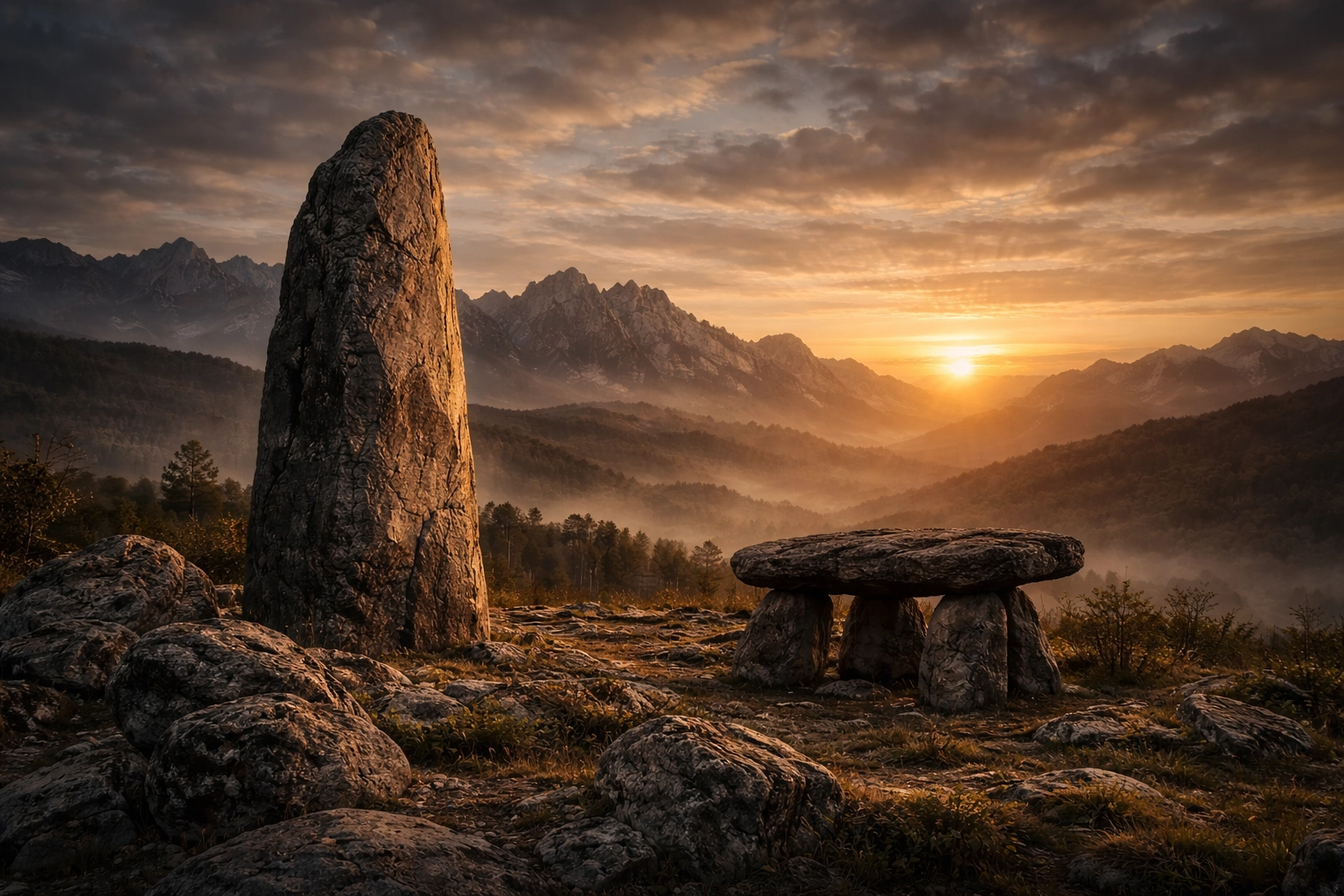
French Geological Territories
Schauenberg Monolith sculptures are conceptually rooted in the mineral architecture of France. From Alpine tectonic compression to Armorican granite plateaus, each region expresses a distinct geological intensity.
Geological Origin — Telluric Sites of France
Each Schauenberg Monolith sculpture is conceptually rooted in geological structure. The mineral logic explored in quartzite compression reflects larger tectonic and territorial formations across France.
From the ancient crystalline cores of the Vosges to the tectonic compression of the Alps, French landscapes reveal structural mineral architecture on a continental scale. Understanding these formations provides essential context for the sculptural work.
Explore the complete analysis of telluric sites, including geological structures, exposed bedrock formations and mineral landscapes across France:
Explore French Telluric Territories
Geological Context of the Sculptural Work
These geological territories inform the structural logic behind contemporary mineral sculpture.